How I got Started
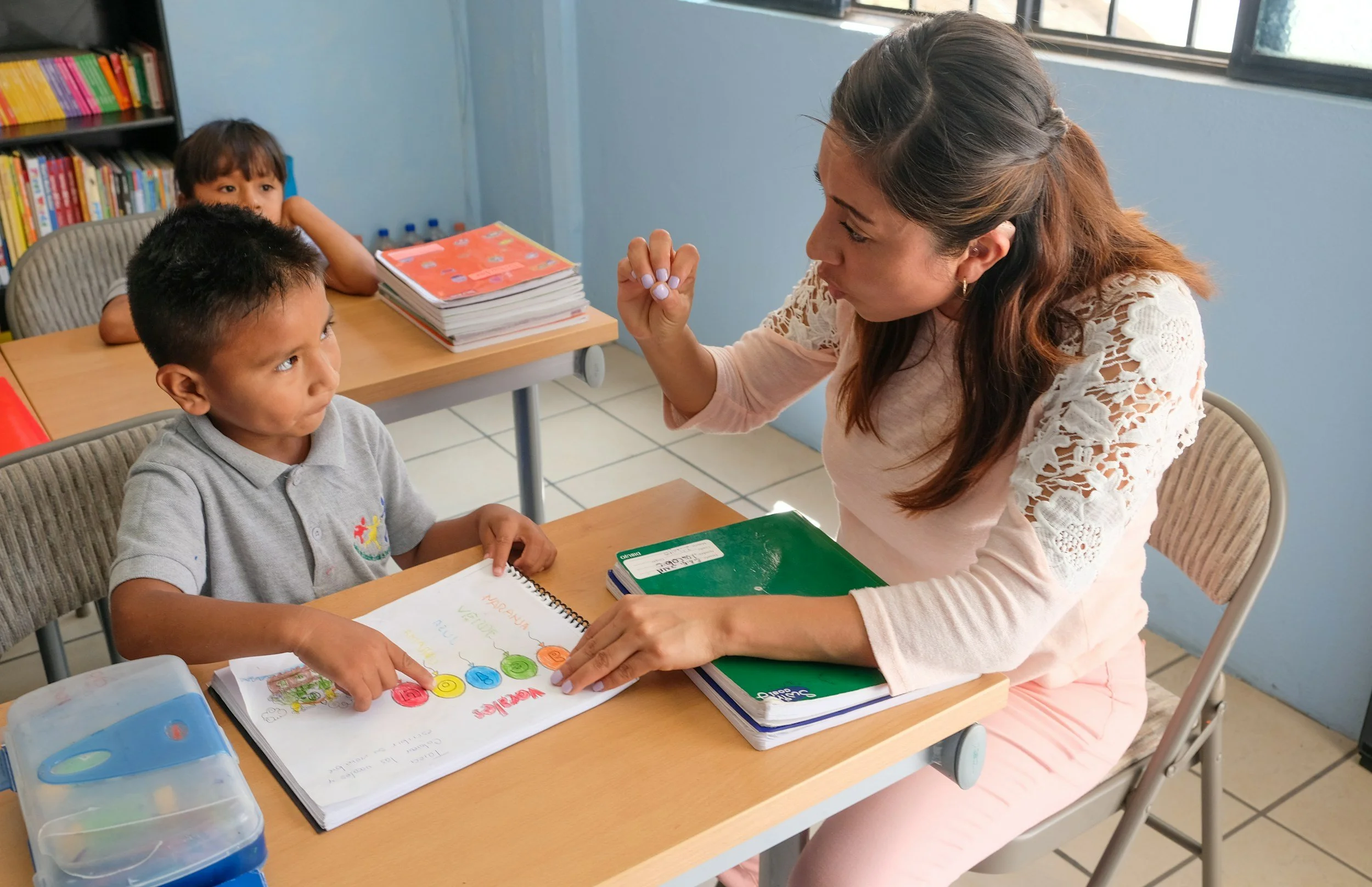
Within the span of more than three decades in education, I have closely examined Latino parent engagement in junior high schools. I began this work in the late 1990s as a new teacher in a rural community in southwestern Arizona, where I taught at the elementary level. Early in my career, I observed how challenging it could be to engage Latino parents—particularly when students were struggling academically.
These questions stayed with me as I continued my career and became even more pronounced when I moved to California to teach 8th grade English. It was in the junior high setting that I noticed a distinct shift: many parents appeared to step back, placing greater responsibility for instruction and guidance in the hands of teachers. Over time, this led me to reflect more deeply on why some parents are readily engaged in their child’s education while others are less involved, and how schools can better understand and support different forms of engagement.
Over time, I came to understand that this was not a lack of interest, but rather different perceptions of what it means to be involved in a child’s education. This realization became a turning point in my professional journey and shaped my purpose: to strengthen the connection between schools and families by helping parents engage more confidently in schools and helping schools engage parents more effectively.
As a bilingual consultant, educator, leader, and researcher with public school experience in Arizona, California, and Texas, I bring a perspective rooted in small-town, community-based Christian values and a commitment to serving families, schools, and public sector agencies. My work and research focus on how public-school policies influence parents’ opportunities and decisions to participate in their children’s education.
While not all parents are familiar with navigating complex school systems, Latino parents bring valuable cultural knowledge and strengths that support adolescent development. Leveraging this cultural capital through intentional, culturally responsive school practices is essential to fostering meaningful family engagement and improving student outcomes.
-Yvette Koval